
Our Research
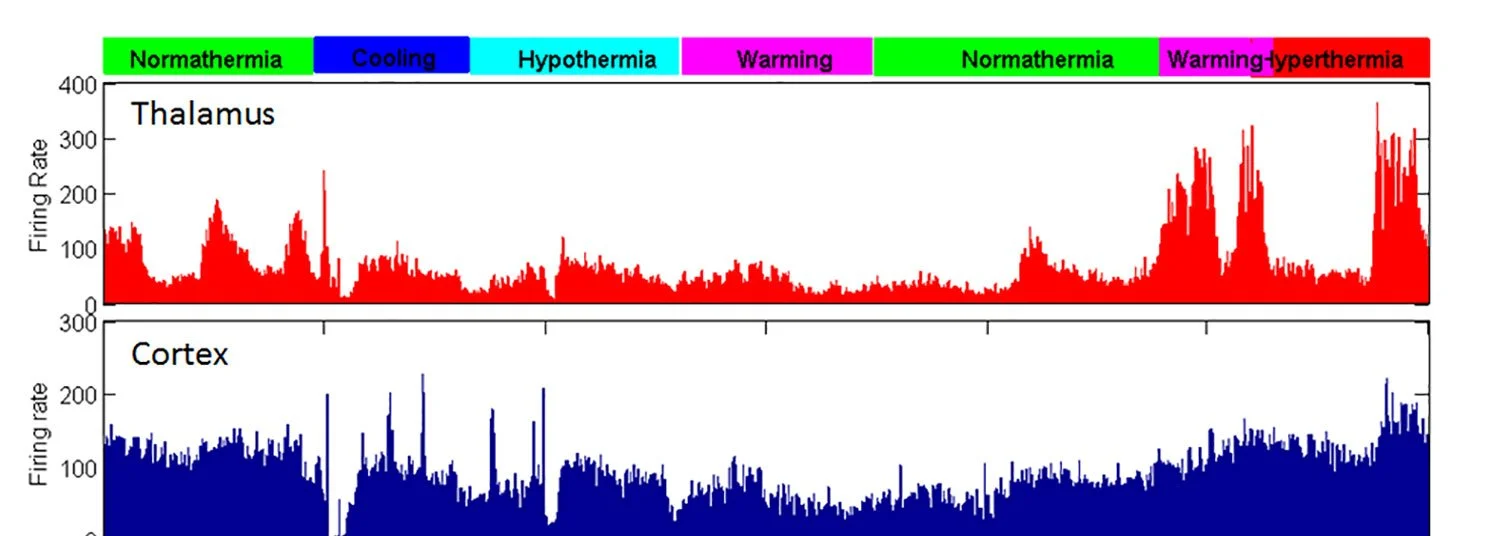
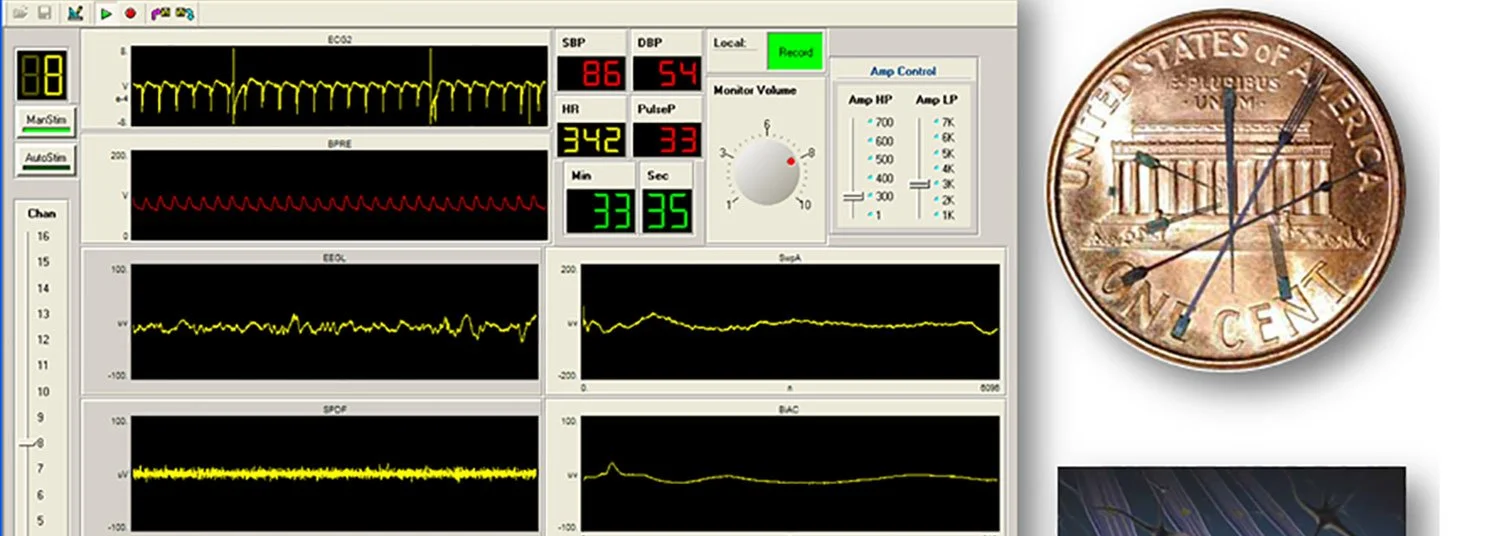
Research performed in the Translational Neuroengineering & Neuroscience Lab includes the development of novel translational tools for uncovering mechanisms of brain injury after cardiac arrest, ways to promote nerve regeneration after peripheral nerve injury, and therapeutic methods to promote neuroregeneration and neuroprotection after spinal cord injury.
Brain Monitoring & Therapeutic Hypothermia
We focus on the development of novel translational tools for uncovering mechanisms of brain injury after cardiac arrest, monitoring and tracking the neurological injuries, and guiding treatments like therapeutic hypothermia.
Peripheral Nerve Injury
We aim to develop novel methodology to promote nerve regeneration after peripheral nerve injury, and develop novel nerve scaffold for the next generation of nerve signal-controlled prosthetic limbs.
Spinal Cord Injury
We aim to explore pathological mechanisms of spinal cord injury, monitor and track neurological injuries, and develop novel therapeutic methods to promote neuroregeneration and neuroprotection.
Bone Regeneration
We aim to develop potential cell-based therapies for critical-sized bone defect injury to enhance bone regeneration and functional recovery in a translational model.
Xiaofeng Jia, MD, PhD
Principal Investigator
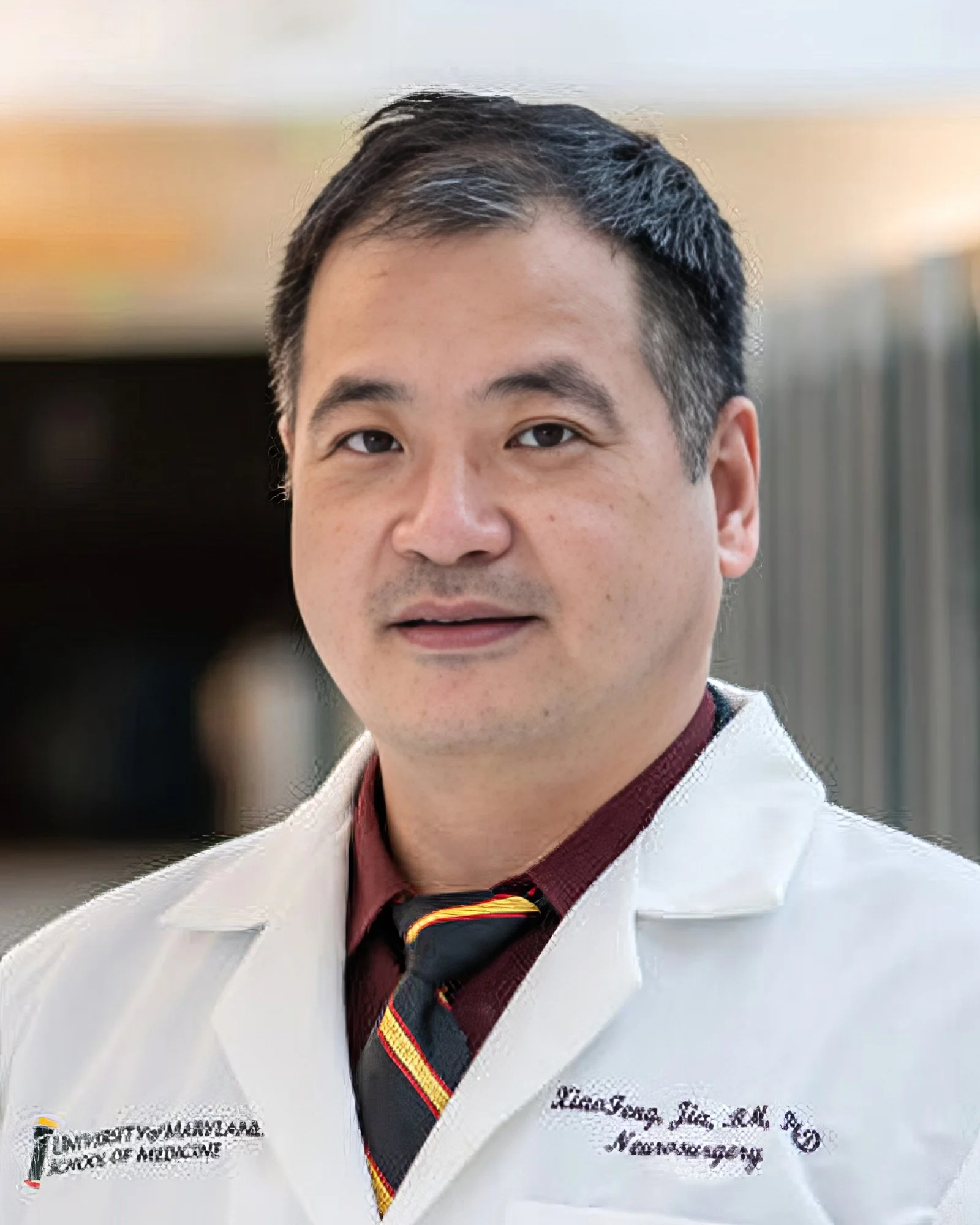
Professor, Department of Neurosurgery
Director, Neurosurgical Stem Cell Research
Director, Translational Neuroengineering and Neuroscience Laboratory